

When I was back home recently, I visited my Nana. I hadn’t seen her for a while. In my family she is the only one who could ever do much in the kitchen. I’d grown up visiting her knowing that I would be leaving with Tupperwares full of biscuits (biccies) and brownies. She took great pleasure in preparing everyone’s favourites.
Like the rest of my family, I’d always assumed the default belief of ‘not being able to cook’. It didn’t feel like an excuse to me, it just felt like an inherited trait. After spending decades confidently announcing my ignorance of a basic skill, I started to cook. It was inspired by a new (wonderful) woman in my life, as positive change so often is.
When I told my partner that I would be returning home and scoffing biccies by the handful, her response was simple—why don’t you make them together? Never in my life had I considered that I could be a part of the yummy-fying that occurs in my Nana’s kitchen. I called Nana and asked if this time we could make them together.
What followed these events are memories that will live with me forever. Part of her process was retrieving a garden spade that was once belonged to her mother. She would use the base of the handle to put the perfect groove in the biscuits. She chuckled at the absurdity as she explained that it was ‘just right’. It dawned on me that this wonderful story would never have been known or told if I didn’t want to learn the process.
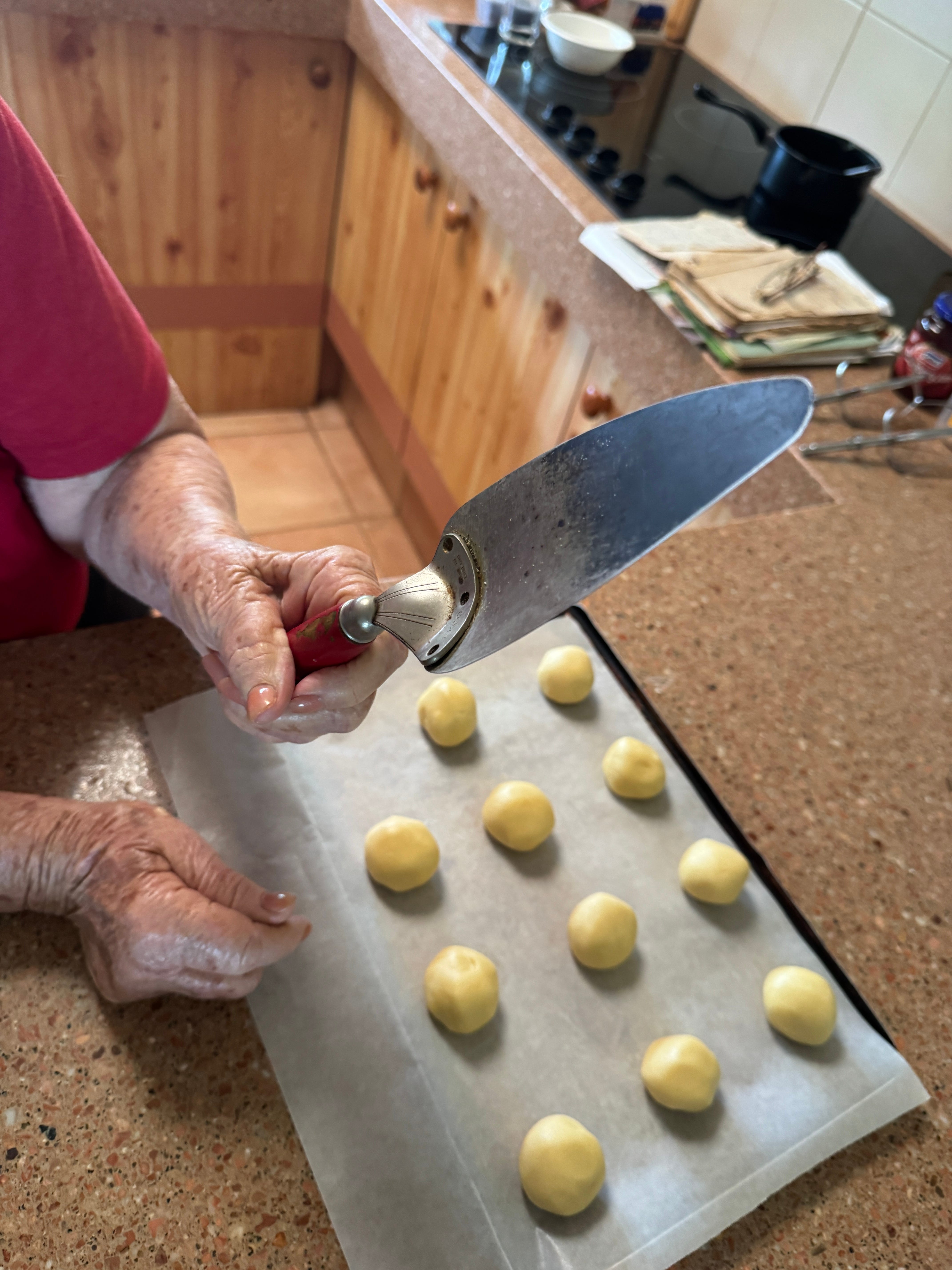
I will likely be telling this story to my future generations, I wonder how many stories I didn’t get to hear by only enjoying the fruits of her labour and never appreciating the labour itself. After the biscuits were made, I remember thinking—wow I’m a fucking idiot. I’ve spent my entire life saying I couldn’t bake, when the baking process was 4 ingredients and an oven.
I asked Nana to write down all her recipes after this. I told her that anything she thought was worth being passed down, I’m her best shot. My partner was also excited to see the recipes, her family is much more food-centric than mine—something I now very much enjoy.
So I returned home to the other side of the world with special memories; and a small notepad with my Nana’s handwritten recipes. The first trial run was with my girlfriend, she was the head chef and I more or less a human whisk. The process was adorable, the house smelled delicious and my heart was full.
Another week went by and I made them on my own. It was a Sunday afternoon, just me and my Nana’s handwriting, making biscuits together. After they were done I looked for any excuse to invite my friends over for tea. I spent a week offering biscuits to my friends, each accompanied by stories of my Nana and my newly-inherited baking genius.
For the first time in my life, I was able to fully appreciate why Nana loved to bake. She always has fruit cakes in the freezer in case a kind stranger does something nice to help her out. I offered my cleaner some, my friends, my neighbours. I went to a dinner and instead of bringing wine, I brought biscuits and stories. It felt special.
I’d made just two batches and my friends already started to introduce me to new people as ‘a baker’. By telling people that I made some biscuits, I’d often hear responses similar to what I used to say—I can’t bake or I’m terrible in the kitchen. I remember being afraid of a washing machine at one stage in my life. I can’t turned into I couldn’t.
We would rather believe that everything we don’t already fully understand is impossible, because it makes for a simpler understanding of the world.
It always struck me as rather curious that we are so defensive of the things (we think) we can’t do. I used to work in retail and would often have customers proudly telling me how bad they were with technology. If I were to try to say something reassuring they would double down and be defensive of their ignorance.
I wouldn’t realise until much later that I was of course doing the same thing. I was proud of how bad my handwriting was, or my inability to draw, or my flexibility. These are things that I would excitedly inject into conversation.
There was a funny self-demeaning element to it, but I would equally get annoyed should someone challenge my status of the most useless. I would adopt a one-up mindset if a friend told me how bad they were at cooking. I’d make sure they knew I was worse.
It’s strange how we see the world as constantly changing, yet question our ability to do so. Basic skills like cooking food and wrapping gifts, we accept permanent defeat instead of spending the short time required to become better. I’ll admit I still can’t wrap a gift properly, but someday I will be able to.
There are very few talents we cannot acquire with deliberate practice. I recently learned that singing is completely within our grasp to improve on should we wish. Everything is practice.
I always grew up believing that ‘I am not a creative person’. I never spent any time practicing creative endeavours, so I didn’t improve, and it became a self-fulfilling prophecy. There were many of these beliefs hardcoded in my brain. I’m not a fast reader. I can’t sing. I can’t change a tyre. All of these were temporarily true, but to me they were permanent, unchangeable personality traits. They were my self-inflicted TTCs.
Robert Jay Lifton first coined the term ‘thought terminating cliche’ (TTC). He used it to describe the language of the Chinese Communist Party and defined it as the start and finish of any ideological analysis. Sound familiar? In Jay’s book he used the example of ‘Mei banfa’, which translates to ‘there is nothing to be done’ or ‘no solution/choice’ in Mandarin. This was used by the CCP to end further discussion or squash questions.
TTC’s are everywhere and when we begin to take notice, we begin to understand just how regularly we use them. Religions love the classic ‘god works in mysterious ways’ to stop further questioning. The current US administration enjoy ‘Trump Derangement Syndrome” or “The Fake News Media” to end discussion over uncomfortable topics.
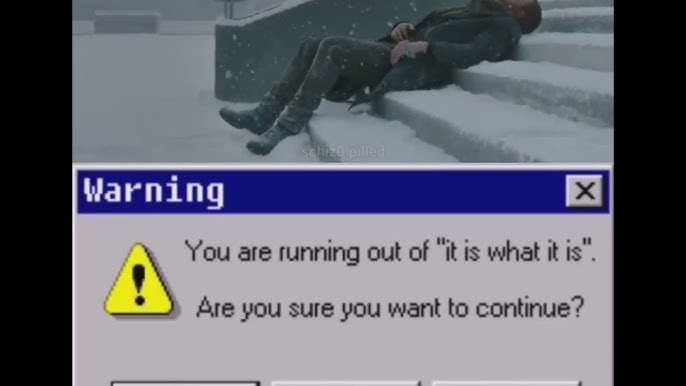
How many times have you told a friend that ‘it is what it is’ or ‘you can’t always get what you want’? This is not always a bad thing. Taoism teaches us that ‘it is what it is’ can be a powerful tool in accepting things out of our control. But we often use this when we don’t really want to discuss things further, or we run out of things to say.
Orwell in his six rules for writing wrote; never use a metaphor, simile, or other figure of speech which you are used to seeing in print. His reasoning was that all common metaphors no longer possess the significance they once had. To bite the bullet used to describe a soldier literally biting down on a bullet to manage pain in a war zone, now it can be used for booking a holiday.
When providing counsel to yourself or a friend, I encourage you to listen to Orwell’s advice and avoid using the first TTC that comes to mind. That’s just the way it is, could be worse, c’est la vie—none of these are helping the situation, they are just convenient placeholders for difficult conversations.
There are many life-saving conversations that almost took place that were just on the other side of a ‘shit happens’. I think about how many wonderful things I’ve held myself back from because of my TTC’s. I can’t bake. That wasn’t true. I’m not good with languages. That also wasn’t true.
As I break away from the habit of telling myself certain things are impossible in conveniently packaged TTC’s, I try to do the same with others in my life. Not everyone wants to be told they can do more things. There is pressure that comes with this wisdom. We want to understand the world through simple terms.
We want the good guys to be good and the bad guys to be bad. We want to be naturally gifted at some things and incapable of doing others, there is comfort in knowing our own boundaries. But today I ask you to challenge those boundaries. There is no reason why you cannot learn to bake, it’s not that hard.
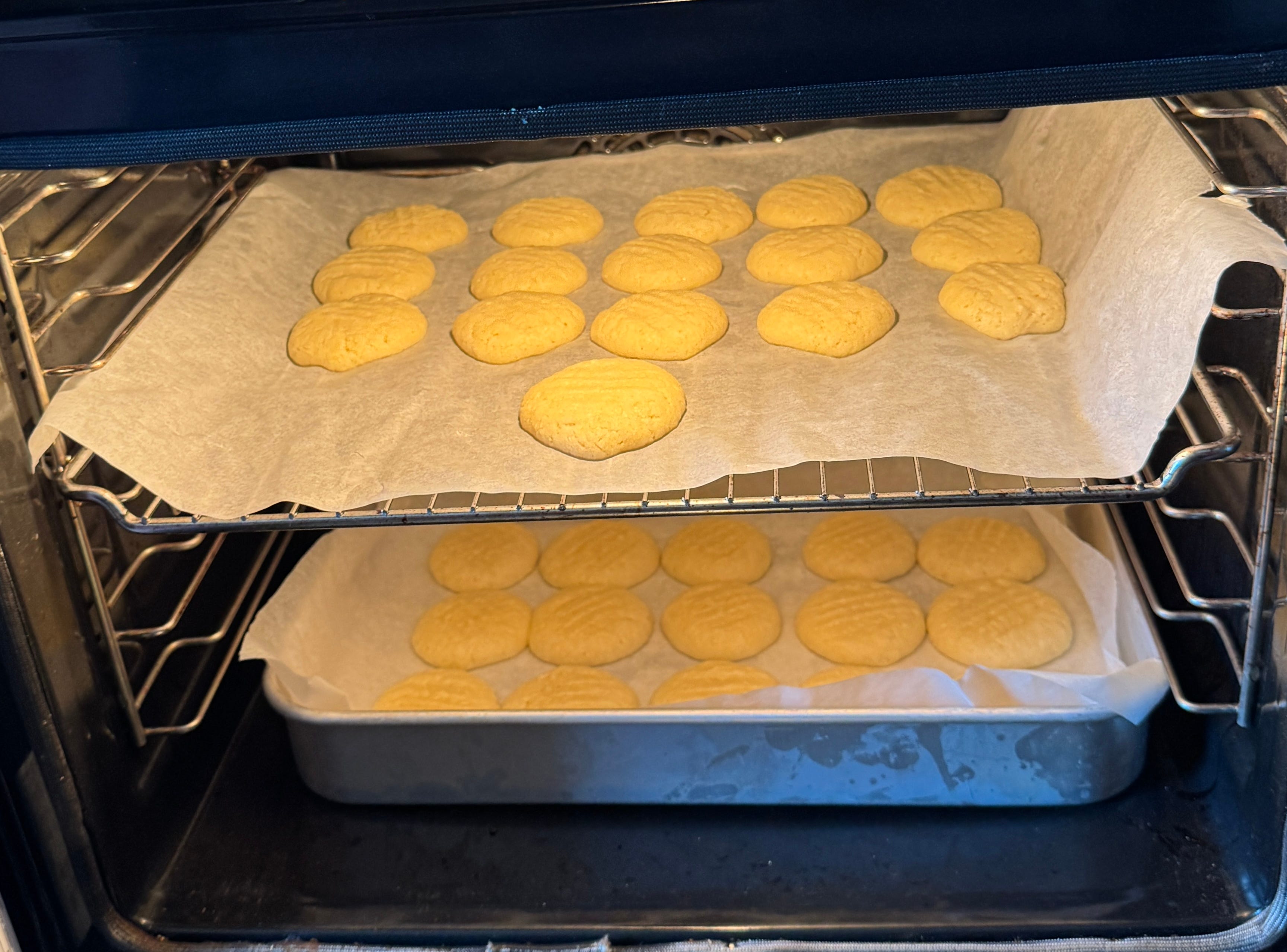
Maybe ask your elders what skills they possess and could teach you, because you can learn. You might make their day in doing so and you might uncover stories that would never have been told. As I write this I am eating my Nana’s biscuits, but they’re not hers, they’re ours.
This one is a banger! Really enjoyed it