

I played table tennis quite competitively for most of my youth. Yes you read that correctly, and no it’s not fucking ping pong. My dad has a long history of falling in love with a sport, becoming very good at it over several years then hitting a plateau and moving on. He’s done this with more sports than I have fingers (and I am the proud owner of all 9 fingers).
It is my (uneducated) opinion that before you are about 7 years old you aren’t really a person, you’re a behemoth embryo with a crippling scream. I don’t have many memories from earlier than this age, but I played table tennis from about 8 years old. My first conscious year as a tiny human being.
The funny thing about playing at the local club was most people there were about 900 years old—especially to someone who only recently learned the horrific truth about Santa Claus (no spoilers dw). We would go every Wednesday night. I’d finish school, maybe go for a surf and then head to table tennis to stay up past bedtime.
The image you have in your head is probably incorrect. At our local club there were 8 tables in a fairly large hall. This was a small town too. The club would run competitions that would last a few months, your team for the season was chosen randomly.
So at 8 years old, I was put into a team of 4 that I would play with for the next 8-10 weeks. The other people on my team were all many multiples older than me, sometimes they’d be nice and put dad and I in the same team, but most of the time they didn’t. As I got older and better it would become a known spectacle for us to play each other in competition.
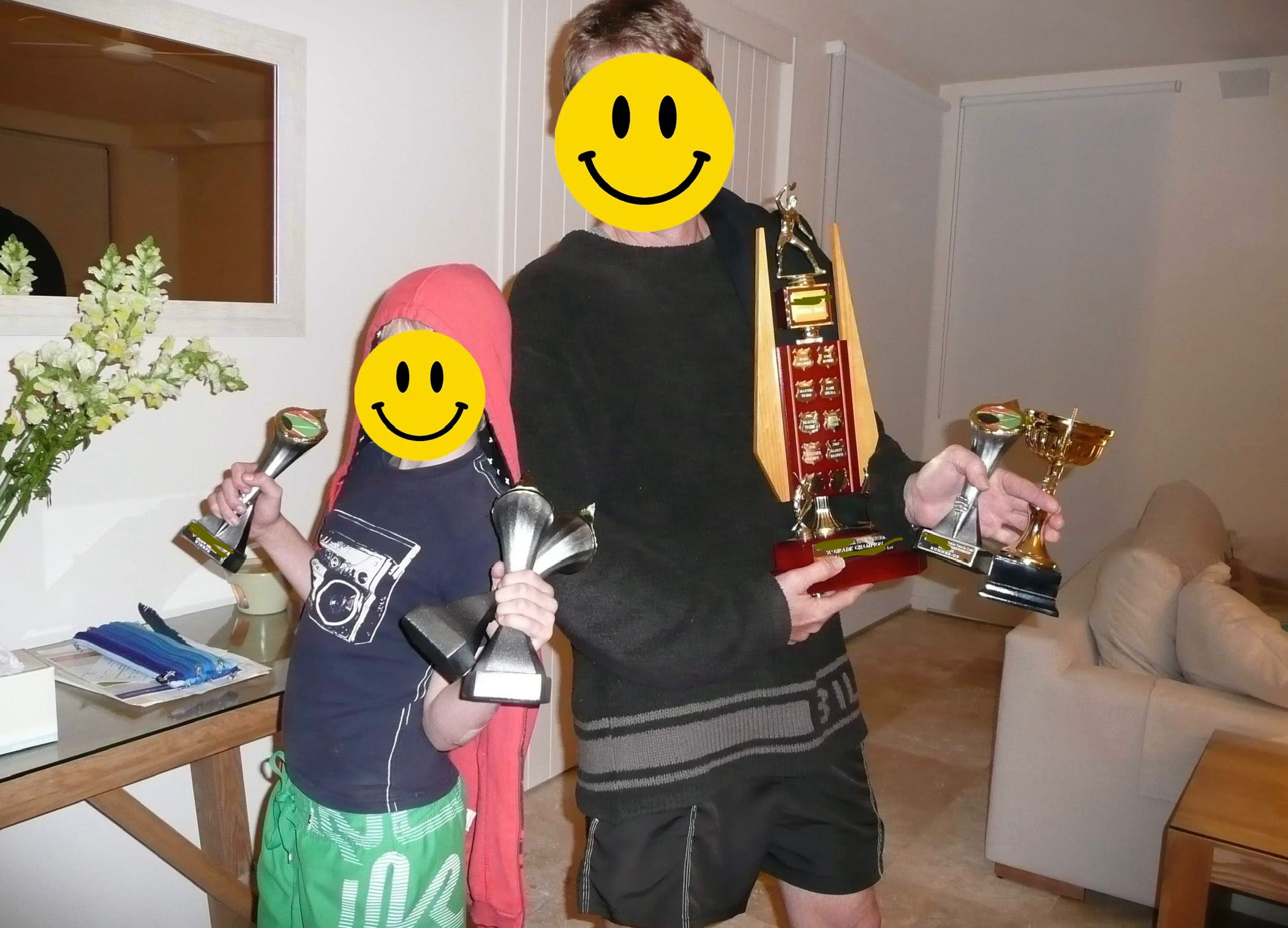
My childhood is filled with memories from social clubs like this. Whether it was Wednesdays at the table tennis club or rugby after school or cricket on weekends. It’s funny how everything feels normal when you’re a kid. The world around you just is, and you don’t really have the mental capacity to understand what isn’t.
It’s only now that I appreciate all the good this did to my brain. I learned how to socialise, how to communicate, how to make friends and how to have fun through participating in social clubs in a world just before people’s pockets started to buzz. We are social creatures and have a deep need for connection.
Congregation
The origin of society is congregation. Congregation predates our (yes our) discovery of fire and our understanding of the world. We created tribes and roamed the Earth. Once tribes were more sophisticated, we turned to religion. Sacrifices, dances, prayer, ceremony, marriage, burials.
Religion has been the single biggest driver of regular congregation since the dawn of man. It doesn’t matter which religion you look to, the defining characteristics are all there. On some particular day you join together to practice some particular ritual. What better way to incentivise socialising than to tell everyone they will burn in hell if they don’t participate?
Whatever your thoughts on religion may be, and by my last comment perhaps you have surmised mine—it brings people together, regularly. There was a time where ritual and congregation were a standard daily practice for everyone, realised through religion.

Bowling alone
Church attendance and membership peaked soon after WWII wrapped up. The drop off wasn’t steep, but a gradual decline from the 50s into the 90s until dropping sharply from 2014. The sad part is that group socialising peaked alongside it. Instead of people leaning into secular assembly to fill the gap, they just stopped.
Bowling club memberships went down, PTA participation went down. Even more informal things like ‘having people over’ declined. The one number that continuously went up was time spent at home. We had more reasons for it now, consumerism had begun and the family would congregate around the TV screen instead.
This trend started far before we had technology and it’s lazy to blame the smartphone for all of our problems, but we do see the acceleration as a result of it. In the 2010s we see a rapid decline of socialising and friendship. Screen time going up, friendship going down.

The loneliness epidemic
Show me the incentive and I’ll show you the outcome. The incentive to congregate has been going down for decades now. Once the threat of eternal hellfire faded from memory, we lost our incentive to be together. Man is a simple creature, without incentive we rarely do anything.
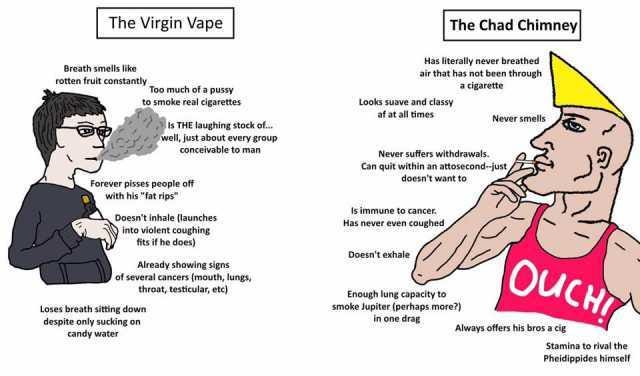
It wasn’t taken seriously until the US Surgeon General declared loneliness a public health epidemic. We don’t often consider loneliness as damaging to our health but the numbers actually look pretty fucked up. Lacking social connection raises the risk of premature death to a level comparable to smoking 15 cigarettes a day.
Sorry, but if I was going to die early I intend on dragging you all down with me by making you chain smoke my tar stick. If I was a smoker though, this is pretty great propaganda. Next time someone calls you unhealthy for ripping darts just ask how much time they spend socialising. Better to smoke with friends than to eat kale alone.
Loneliness is also associated with a 50% increased risk of developing dementia for older adults. Dementia runs in my family and I’m already able to tell my dad the same story a few times, so that one is close to my heart. Imagine if you heard these stats about anything else? You’d probably do something about it.
Somewhere between a third and a half of US adults reported experiencing loneliness. The trend can be seen around the world and was true before COVID. Lockdowns made it more obvious but the trend has been consistent, much like technology accelerating the already laid out path of group socialising.
The kids are not that okay
Another unfortunate tale the stats show is that the youngest are the loneliest, a distinct lack of friendmaxxing. 15–24-year-olds now have 70% less in-person social interaction with friends than two decades ago. The fact this doesn’t sound surprising to any readers is, in itself, reinforcing the idea we’ve normalised loneliness.
I was lucky enough to experience the fledgling remains of group socialising growing up. Table tennis taught me how to make eye contact, I learned how to speak to adults, I understood how to fit into a group of strangers.
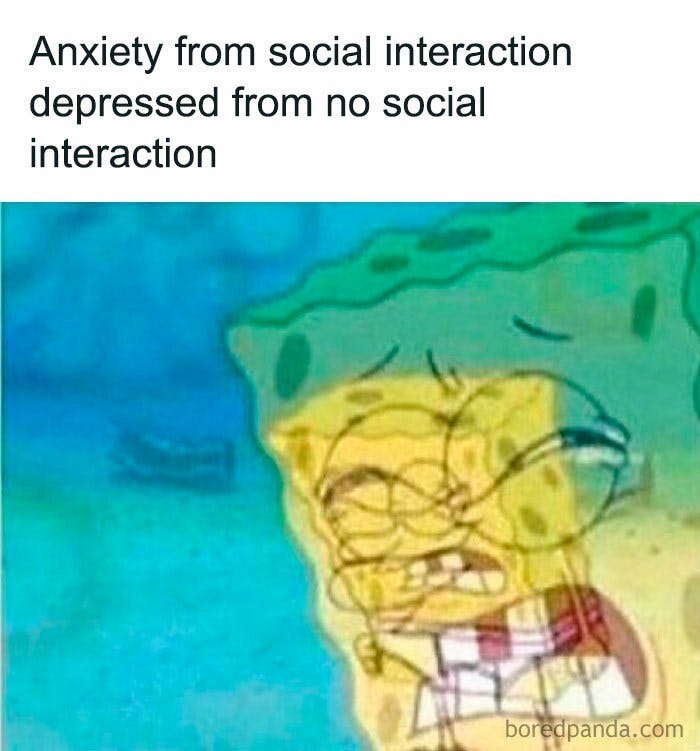
Those who don’t grow up with in person social circles generally feel anxious and lost at the idea of joining them. We have convinced ourselves that if we speak to a stranger we will feel worse afterwards even though research consistently tells us the opposite.
Even just smiling at a stranger can make our day. The ‘ick culture’ of normalising social anxiety as cool has accelerated an epidemic that has been forming for decades. Being an edgy teen who likes to write fan-fic and scroll tumblr is a fun phase to go through in your formative years, but it shouldn’t define a life.
Synthetic Socialising
The birth of reaction videos and streamers changed the way we feel connection. PewDiePie Let’s Play series allowed viewers to feel like they were in the room with him as he played games, seeing reactions in real time. Like watching an older sibling play video games.
We are in the 24/7 news cycle stage of streaming, the cameras are always rolling. Streamers are broadcasting their entire day with the hopes of generating some viral clips. Someone sitting inside their room can watch Clavicular go on a date and feel like they are getting social connection.
The illusion of competence can trick our brain into thinking we know how to do something if we’ve watched someone else do it multiple times. We are all trying to mend our longing for social connection with counterfeit congregation.
The death of speech
There was once a legitimate concern that emojis would lead to illiteracy and a lack of depth in communication. If only those concerned knew what was coming. We used to check in on our friends by calling their home phone or knocking on their door, then it changed to texting and now we’re lucky to get sent a TikTok in a group chat.
With each passing step social connection is eroded. We have replaced genuine conversation and presence with Instagram reels. We have once again managed to trick ourselves into thinking we have succeeded with social connection, but we have not.
Send a voice message instead
Some people hate receiving voice messages, but I love them. It’s why I’m often the person sending them. There is a world of difference between sending someone a text with no personality vs sending a voice message with your tone and voice.
I record all my Substack posts, there is a different experience for those who listen vs those who read. The best part about voice messages is that you often get distracted and say far more than is required to communicate.
In the words of Red from The Shawshank Redemption—the world’s gone and got in a big ‘ol hurry. Those complaining about rambling voice messages are trying to optimise that which shouldn’t be. In a world that is missing connection, the words of a friend are the most sacred of all. The fact that it takes more effort to listen and respond to a voice message is the point.
Sycophancy
I was going to make a joke about how we’re rapidly approaching a future of AI girlfriends and chat bot besties, but it doesn’t really feel like a joke anymore. In an eerily familiar way, we’ve once again signed up the world to something we don’t fully understand, without regulation.
We are still trying to pick up the pieces of what social media did to our real world connection and now big tech is here with another recommendation. We have normalised shallow social interactions and avoid real connection whenever possible. The conditions are perfectly set for a return to depth in relationships. Or, the complete destruction of any remaining incentive to connect with real people.
What started in games like Second Life has evolved into the ultimate weapon against a basic human need. The engagement intensity of some AI apps like Character.AI is extremely concerning. Users averaged 93 minutes per day. That doesn’t sound too bad until I compare it with another stat that Americans now spend an average of 34 minutes a day (4h/week) interacting with real friends.
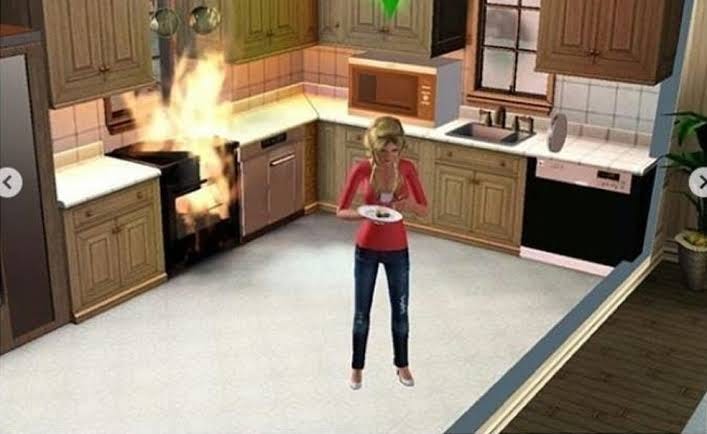
We are living in a world where people are interacting with AI bots more than real people, this is not a distant future. Just as the smoker can brag to the isolated man that perhaps he is healthier, social media can now make claims of being healthier than AI. At the very least, social media means interacting with real people (for now), or some highlight reel version of them.
With AI bots, we are completely synthesising socialising. A real person has flaws and will make mistakes or call us out on our bullshit. This is how we learn to interact with the world and be accountable. If I spend all day talking to an AI bot that’s programmed to tell me how amazing I am, why would I ever bother going on a date with an extremely fallible human being?
The need to stay in our comfort zone keeps us permanently embedded into an algorithm. There is an argument that perhaps bots can alleviate some of our loneliness, but this cannot be the healthiest way forward. For thousands of years we congregated together, chatbots should not be treated as the GLP-1 for social isolation.
Cheat codes
Over the past few years we’ve become accustomed to seemingly easy solutions for provably difficult problems. Ozempic presented an easy way to solve for obesity. Sure, injecting yourself every other day is not pleasant but it appears people are much more willing to reach for a needle than go to the gym.
Once being skinny was no longer exclusive, the demand for protein started to boom. Now the exclusivity of muscles is being challenged by peptides, maybe it’s time to long the dad bod?
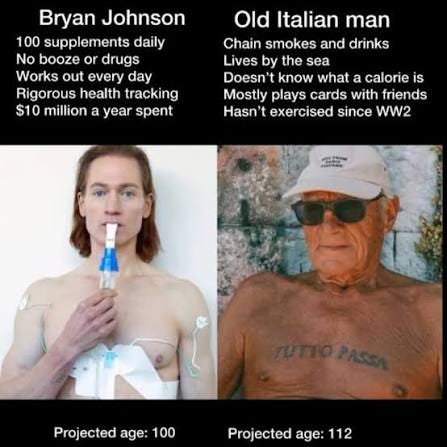
There are young people out there who have tweaked their entire lifestyle for longevity. People who go to bed early and don’t drink, who work out every day and stay on specific diets. These rigorous routines and the desire to be perfect can be a very isolating process, and therein lies the paradox.
Instead of over-optimising everything in order to live a longer, healthier life, perhaps you are better off grabbing a beer at the pub with a friend. If you’re staring down the barrel of death by isolation, a cheeky pint isn’t such a big deal. Trying to live longer in isolation is the opposite of having your cake and eating it too.
The return of religion
In the post-COVID world there are statistical whispers that young people are returning to church. The sample size is small and unreliable, but it appears that the steady increase of secular youth is stalling, at least in the US and the UK. The main demographic is young people, specifically young men.
Young men are identified as the greatest sufferers of loneliness and it is no coincidence that they are now seeking a fix in the last standing institutions of reliable in-person congregation.
One men's pastor said the isolation of COVID nudged young men toward recognising they "can't continue to walk through life alone" and need purpose and community. If the return of religion is a continued trend, I don’t see it as a religious revival. I see it as a symptom of the loneliness epidemic.
We are once again taking the easiest route available to the ideal state. We listen to podcasts and watch reels of people enjoying their social life, but we don’t want to take social risk and be uncomfortable.
Church becomes the peptide for social isolation. An open door to walk through with zero friction and complete acceptance, regardless of skill or personality. It’s too early to make conclusions, but perhaps we’ve finally found our last straw with loneliness. Social distancing distanced us one inch too far.
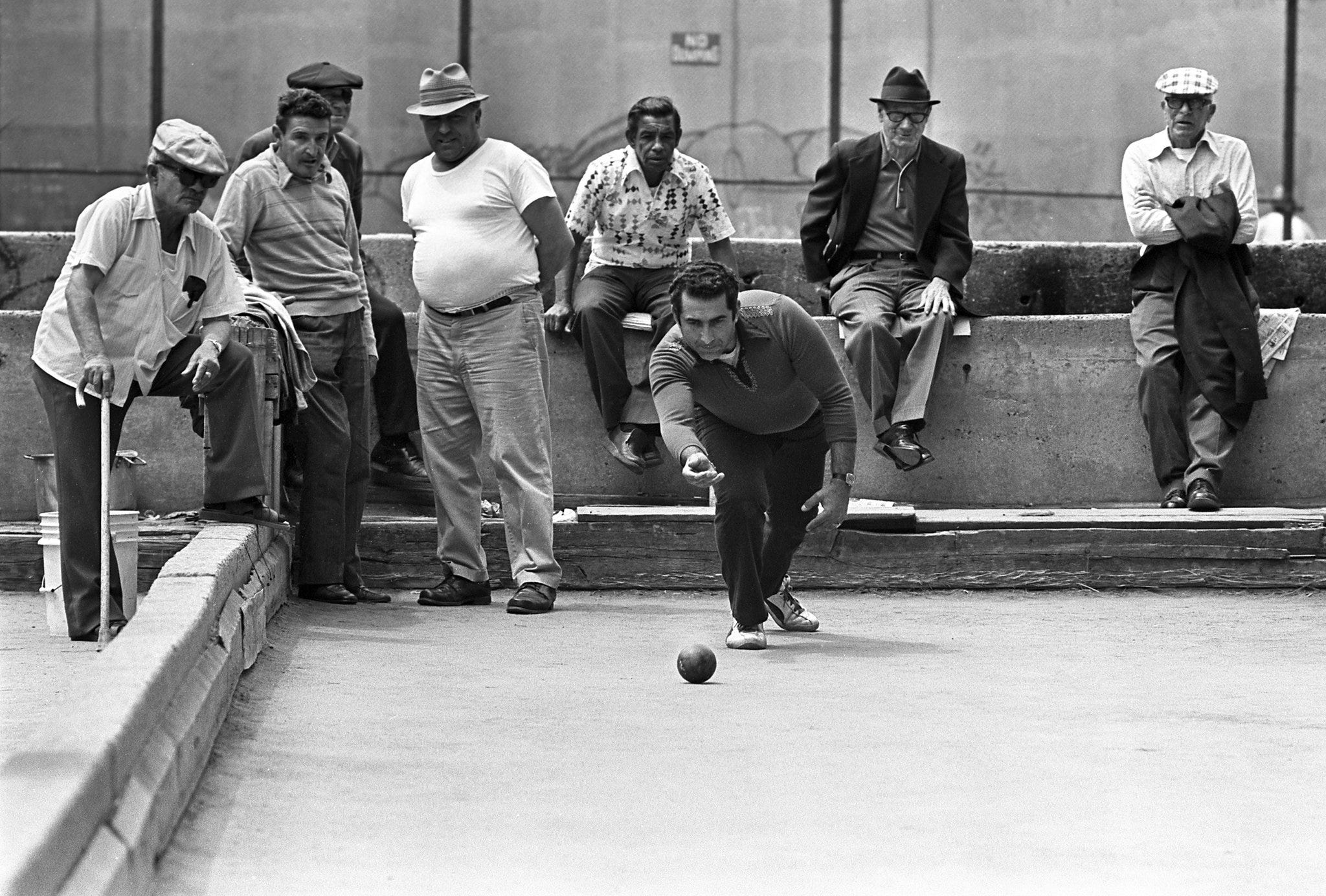
I love you, bro, for real
We are in the midst of a loneliness epidemic, but there is a way forward. We need to realise that we need each other. Not just in the cliche office poster way—in the 4am drunk I love you bro kind of way. Each day we possess a gift, an absolute treasure that we can share if we are brave enough.
Each day you can make someone’s day, maybe even push them towards a happier life. You can tell someone that you miss them, or that you thought of them today and you hope they are well. You can call a friend out of the blue and say that you really appreciated what they once did for you or the role they played in your life.
If you have friends but don’t feel like you have the regular social connection, you can be the one to organise it. Everyone has the same deep need to be a part of a group, but most are too lazy to start the group. Maybe schedule a poker night with friends or invite some people over for board games, something intimate and scheduled.
I’ve recently started playing tennis again socially and I love it. My partner and I also host dinners quite regularly, it’s amazing how easy it is to get people together if you just tell them you miss them (or there’s food). The people who always say they are too busy are not the people worth making time for, but the good ones will.
Remember that it’s not just about having a good time, it’s about saving lives. If you’ve read this far you no longer have the excuse of ignorance. You know that the lack of social connection can be fatal and it’s up to you to do something about it, because it doesn’t solve itself.
Join a run club, call your friends… or hey, why not start playing table tennis?

Heard the whole thing imagining marty supreme table tennis club, was very pleased to see the image in the end.
Major agree, but my wanna be cool ass will send this substack to friends instead of going full blown i love u bro at 4am.
I’ll tell myself that’s still the first step :)
As always, thanks for speaking/writing!
How true, loneliness leads to lots of problems a good friend/friends are priceless. I also think the iPhones have led to social isolation in a way too easy to text instead of having a conversation. Another problem is AI how do you know today what is true and what is false leading to more isolation. I hope lots of people read your post Jords.